Community Sponsorship (Patronage Model)
Community Sponsorship, also known as the patronage model, is a system where individuals and groups of citizens actively participate in the integration and inclusion of refugees in an organized manner. This model involves providing practical, emotional, and material support to refugees. It is a cross-sectoral partnership in which different sectors work together to support refugees.


Definition and Purpose
Community Sponsorship can function as a mechanism of international protection with a resettlement component (refugees are “paired” with communities in the countries where they seek refuge) or as an effective integration model. In Poland, we are currently focusing on the integration component. This model has been implemented and tested in over 20 countries worldwide, encompassing more than 700,000 refugees. Canada, as the pioneer of this model, has accepted over 350,000 refugees since the 1970s.
Role of Sponsors
Sponsors, either individuals or groups, commit to supporting refugees in building their lives in a new country for a specified period. These groups can form in workplaces, academic institutions, or based on shared interests, backgrounds, identities, or affiliations. The sponsors’ role mainly involves providing information and helping access services, although some models require material support, such as funding housing or other basic needs.
Scope of Assistance
- Housing and furnishing.
- Language learning support.
- Logistical/transport assistance.
- Cultural orientation and access to cultural, religious, and social activities.
- Access to services like education and healthcare.
- Job search and employment preparation.
- Administrative support.

Goals and Benefits
Community Sponsorship does not aim to replace the state—local and central authorities—but rather to complement them through active collaboration across sectors and citizen involvement. Non-governmental organizations (NGOs) can play various roles, such as coordinating activities at the central or local level, providing support, or delivering specific services.
Benefits of the Model
- More active and organized participation of individuals and communities in supporting refugees.
- A systematic approach to monitoring and safety procedures.
- Structured support and training for sponsors.
- Positive impact on refugee integration in new communities.
- Promotion of cross-sectoral cooperation among various social actors.
- Strengthening local communities through integration initiatives.
- Promotion of inclusive and welcoming attitudes.

Challenges and Opportunities for Implementation in Poland
Opportunities
- Organizing integration efforts and mobilizing local institutions around community sponsorship initiatives.
- Popularity of the model across a broad political spectrum.
- “Advocacy window” and planning of migration policies at the national and local levels.
- Potential as a foundation for introducing other protection mechanisms in the future.
Barriers
- The authorities’ focus on defense and border protection.
- Competing political and advocacy priorities.
- Public attitudes—there is a need to work on narratives and mindsets.
Summary
Community Sponsorship is a model that enables organized and active assistance to refugees, supporting their integration into new communities. Through cross-sectoral cooperation and NGO support, this model can significantly improve the quality of life for refugees and build stronger, more integrated communities.
Pathways International
Pathways International is an organization dedicated to developing effective mechanisms for international protection and refugee integration. Its mission is to create and promote innovative support models that help refugees find their place in new communities and provide them with the necessary tools to start a new life.
Activities in Poland
Since November 2023, a pilot program has been implemented in Poland to introduce and test the Community Sponsorship model, referred to as “social patronage.” The pilot is led by organizations including Homo Faber, Nomada, the Polish Migration Forum, and the Creative Initiatives Association “ę,” with the research supervised by the Centre of Migration Research at the University of Warsaw. The project’s goal is to pilot initiatives inspired by the Community Sponsorship model and adapt it to the Polish context.
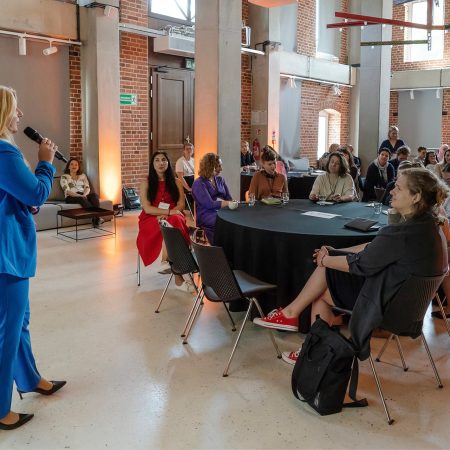
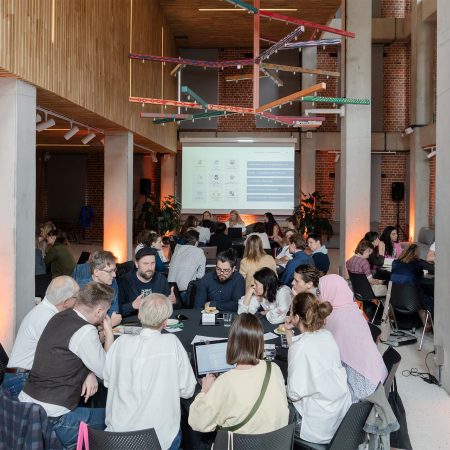
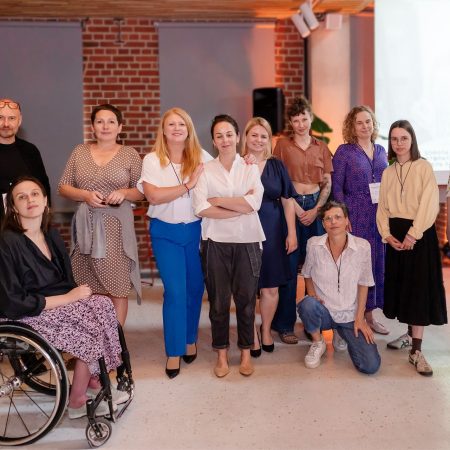
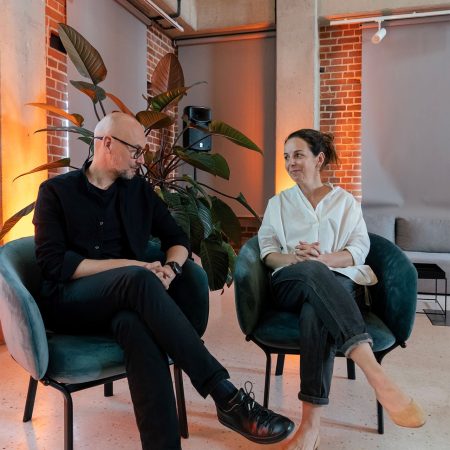
PHOTOS FROM THE FIRST LOCAL MEETING ORGANIZED BY NOMADA AS PART OF COMMUNITY SPONSORSHIP IN POLAND, WHICH TOOK PLACE IN WROCŁAW ON MAY 17, 2024.

Collaboration and Implementation
Through the cooperation of these organizations, the idea of Community Sponsorship is being promoted, preparing the ground for its potential wider introduction. Supporting and enhancing existing integration initiatives with elements of the CS model includes:
- Practical support. Language learning assistance, logistics, transportation, and cultural orientation.
- Emotional support. Building social connections and psychological support.
- Material support. Providing for basic needs such as housing and furnishings.
- Access to services. Helping with access to education, healthcare, and other public services.
- Administrative support. Assisting with formalities and paperwork.

Benefits of the Community Sponsorship Model
The Community Sponsorship model offers numerous benefits, both for refugees and host communities, including:
- Community activation. Enabling citizens and social groups to actively engage in supporting refugees, leading to stronger, more integrated communities.
- Effective integration. Providing systematic support to refugees, significantly accelerating and facilitating their integration into new environments.
- Cross-sectoral cooperation. Promoting collaboration among various sectors and social actors, strengthening local support structures.
- Raising awareness. Information campaigns and educational efforts that can help change narratives and attitudes towards refugees within society.