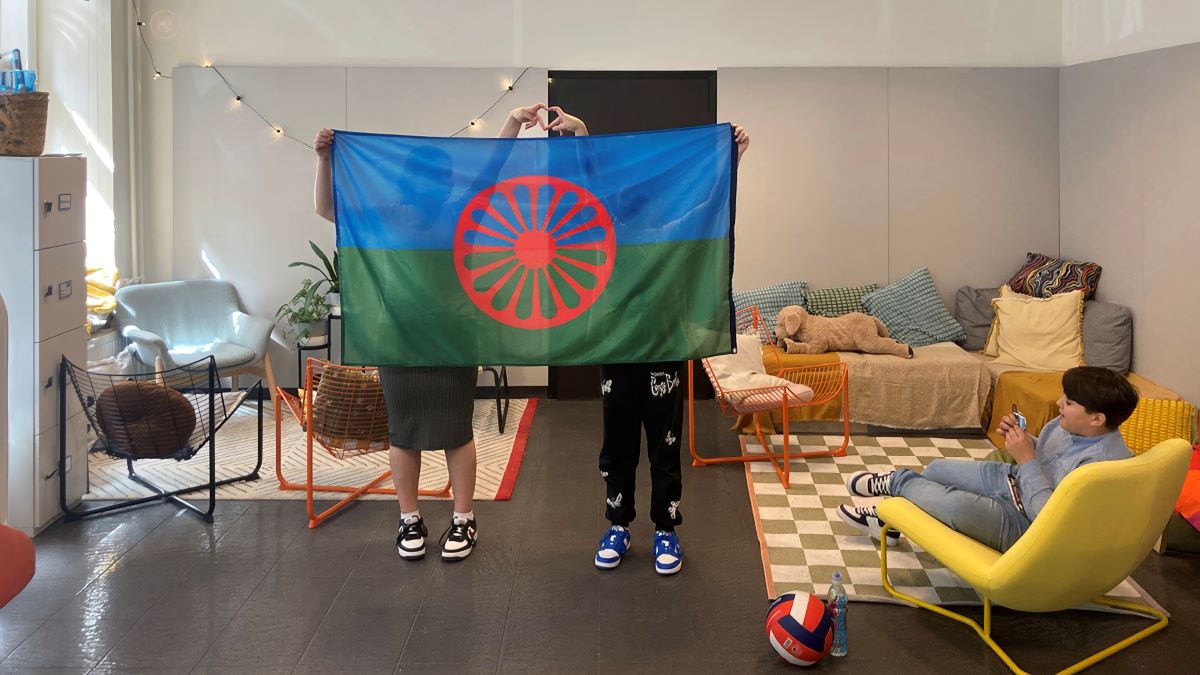
For 15 years, we have been advocating for human rights, fair mobility, solidarity, and unconditional support for migrants!
The Nomada Association has consistently supported migrants, refugees, and marginalized communities for 15 years, fighting for equal rights, dignity, and safety for all. Our mission is deeply rooted in the values of equality, solidarity, and anti-fascism. We have built strong foundations that allow us to effectively respond to the challenges of migration and human rights protection.
Nomada is a story of commitment, collaboration, and continuous striving for a world where solidarity and unconditional support form the basis of assistance efforts. From our founding in 2009, when a group of people living in Wrocław with migration experience saw the need to support migrants in the city, to today’s extensive and structured activities for refugees and migrants, our association has constantly expanded its competencies and scope of action.
History of the Sukurs
Our early efforts focused on combating bias-motivated violence, resulting in the “Sukurs” project. These activities included counseling, media monitoring, and incident documentation, helping us build a strong foundation for supporting individuals at risk of violence. Over the years, we have expanded into anti-discrimination education for Polish citizens, reinforcing our commitment to promoting tolerance and combating xenophobia.
In 2013, we began working with international organizations like In Iustitia from the Czech Republic and Ľudia Proti Rasizmu from Slovakia, enriching our initiatives with new tools and experiences. Support for the Roma community in Wrocław, educational projects for Romanian Roma children, and collaboration with local institutions were key elements of our activities in 2014-2015.
As our experience grew, Nomada broadened its actions, offering support to migrants from various countries, organizing training for police and public institutions, and providing comprehensive legal and psychological counseling. In 2017, we intensified efforts for migrants, organizing educational events and expanding assistance services, and in 2018, we strengthened our collaboration within the Migration Consortium.
The COVID-19 pandemic brought new challenges, prompting us to transform our support into remote forms. Despite difficult conditions, we continued our projects in 2020, offering legal and emotional support to migrants and organizing online training sessions. In response to the humanitarian crisis on the Polish-Belarusian border in 2021, we joined the Border Group, providing material and legal aid and monitoring government actions.
The year 2022 marked another significant moment in our history, as we responded to the escalation of the war in Ukraine, expanding our efforts to include humanitarian support for refugees. We offered comprehensive assistance, including housing, legal, medical, and psychological support.
Our story is one of challenges and striving for justice and equality. We thank you for being with us for so many years, for your support, and for your trust. We encourage everyone who wants to build a future based on fair mobility to follow our activities and get involved in initiatives supporting migrants, regardless of their origin, religion, sexual orientation, gender identity, or economic status. Together, we can create a world where solidarity and unconditional support are the foundation.
Founding of Nomada Association
The Nomada Association was established in 2009 in Wrocław by a group of people concerned about the situation of migrants in Poland. From the beginning, the organization aimed to promote a culturally diverse society and combat discrimination and bias-motivated violence. The initial activities focused on monitoring the situation of migrants and building a support network for those at risk of social exclusion.
Implementation of the “Sukurs” Project
In 2010, the association launched its first major project, “Sukurs,” aimed at preventing bias-motivated violence. The project provided counseling, media monitoring, incident documentation, and educational activities for individuals vulnerable to hate violence. “Sukurs” gave Nomada valuable experience in working with victims of violence and established collaborations with local institutions.
Expansion of Activities and New Contacts
In 2011, Nomada continued its work within “Sukurs” and developed its competencies in local community work and advocacy. The organization strengthened its connections with both individuals at risk of violence and local institutions, laying the foundation for further initiatives.
Anti-Discrimination Education
In 2012, Nomada expanded into anti-discrimination education, offering training for youth, educators, and public institution staff. Cooperation with local institutions to promote tolerance became a key mission focus, emphasizing the fight against xenophobia and racism. That same year, Nomada conducted a project in the Southern Hebron region of Palestine, running a Mobile Socio-Cultural Center to support local communities, reduce isolation, and promote human rights.
International Collaboration
In 2013, Nomada initiated cooperation with international organizations such as In Iustitia (Czech Republic) and Ľudia proti rasizmu (Slovakia) through the “Discovering Efficient Tools for Protecting Victims of Hate Crime” project. This project provided new tools and experiences from other countries, enriching Nomada’s local activities.
Support for the Roma Community
In 2014, Nomada undertook intensive efforts to support the Roma community in Wrocław, launching the “Friendly City Spaces” project for Romanian Roma children. The initiative aimed to combat social exclusion through Polish language education and integration with Polish society.
Continued Support for Roma Migrants
In 2015, Nomada maintained support for Roma families living in informal settlements in Wrocław. The organization provided administrative, educational, and systemic support to improve their living conditions and facilitate integration.
Training and Anti-Violence Campaigns
In 2016, Nomada organized a series of training sessions for police, public institution staff, and social organizations to raise awareness of hate crimes and how to respond to such incidents.
Expanded Support for Migrants
In 2017, Nomada expanded its activities, offering comprehensive support for migrants, including legal counseling, assistance services, and educational events.
Migration Consortium and Enhanced Cooperation
In 2018, Nomada deepened its cooperation within the Migration Consortium, focusing on education, integration, and human rights protection for migrants.
Support for Jewish and Migrant Communities
In 2019, Nomada collaborated with Hakoach in Łódź on the “Collective Power to Incite Change” project, supporting young Jews in forming an NGO to promote Jewish history, culture, and migrant support.
Pandemic and Adapting Activities
In response to the COVID-19 pandemic, Nomada adapted its actions to offer remote support, continuing educational projects online and providing legal and emotional assistance to migrants.
Crisis on the Polish-Belarusian Border
In 2021, Nomada joined the Border Group in response to the humanitarian crisis on the Polish-Belarusian border, providing material, legal aid, and monitoring government actions.
Support for Refugees from Ukraine
In 2022, Nomada expanded its efforts to support Ukrainian refugees, offering humanitarian aid, housing, legal, medical, and psychological assistance.
Adapting to New Challenges
In 2023, Nomada continued supporting migrants and minority groups, focusing on advocacy and providing assistance to those at risk of violence, while also continuing integration efforts for Roma communities and refugees from Ukraine.