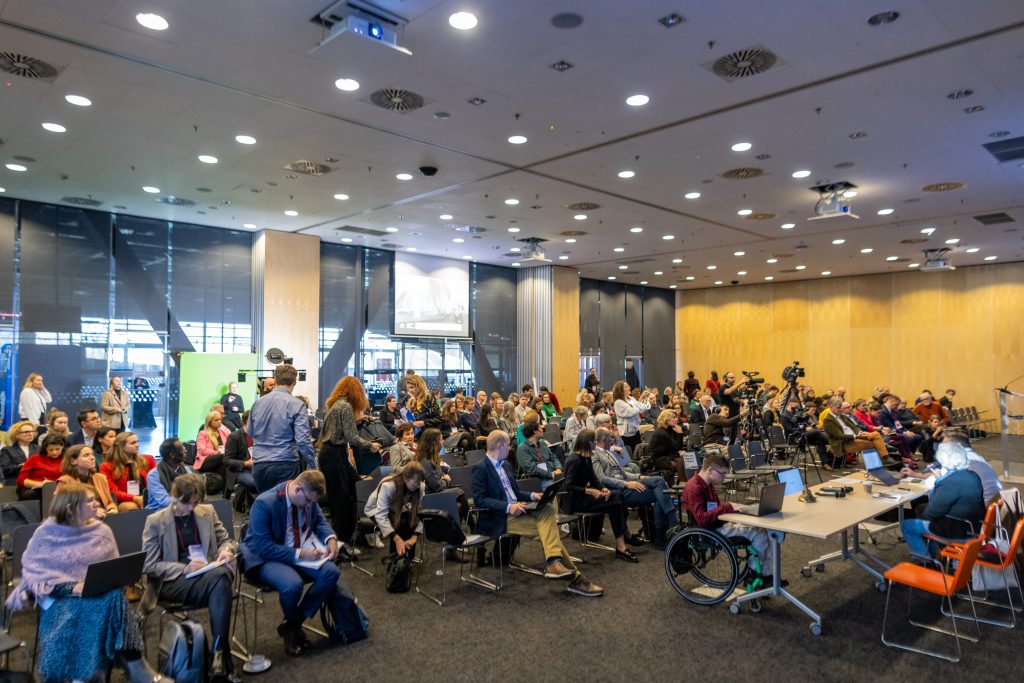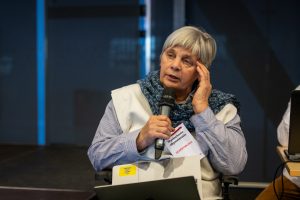
A Citizens’ Hearing on Poland’s migration strategy was held at the Copernicus Science Centre, organized by the Stocznia Foundation and the Minister for Civil Society, Adriana Porowska. The event attracted a record number of participants, with 385 people registered. For the first time, representatives of the government also took part in this type of hearing.
The meeting served as a barometer of public sentiment and a display of unity within the community of non-governmental organizations. The hearing highlighted the opposition of the civic sector—NGOs, experts, migrant individuals, and employers—toward the government’s strategy. Despite numerous testimonies, the Deputy Minister of the Interior and Administration responsible for drafting the strategy, Prof. Maciej Duszczyk, continues to appear dismissive of the voices of migrants and refugees, recommendations from NGOs and the academic community, and warnings from human rights advocates.
The recording of the hearing is available on the website: https://www.wysluchanieobywatelskie.pl/
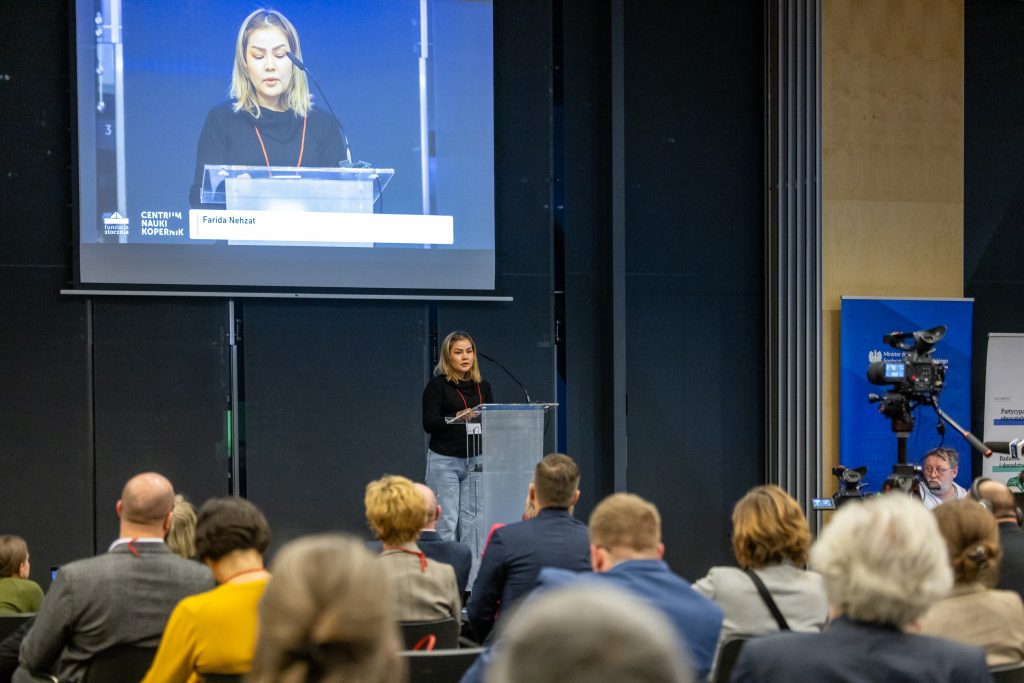
Farida Nehzat
We came here to feel safe, to go to school, to continue our education, and to secure a normal job.
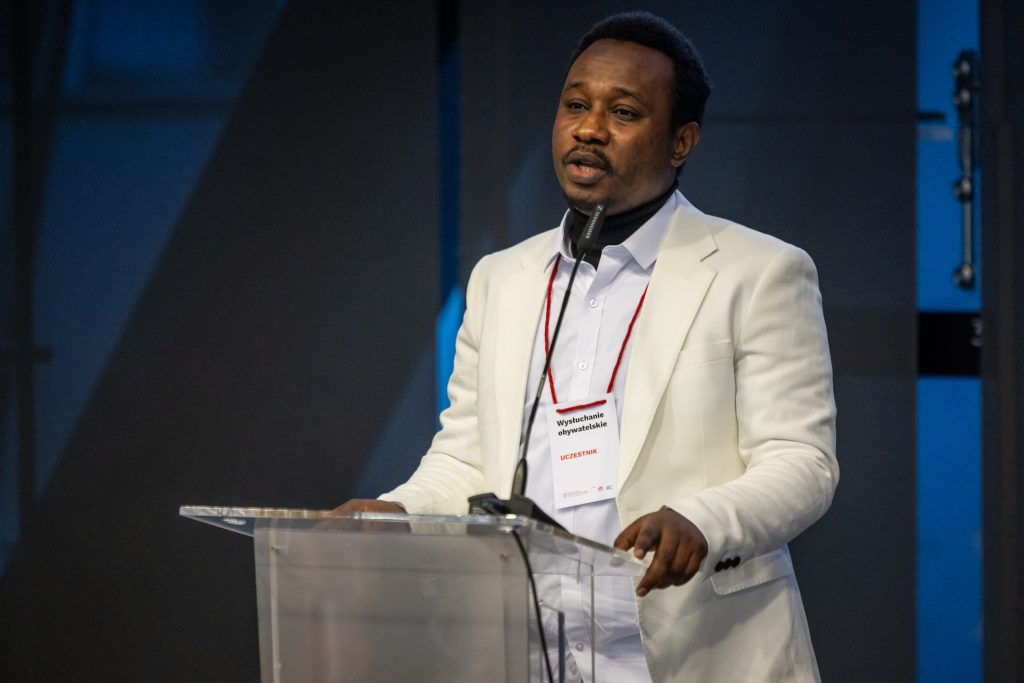
Fidèle Toko Lomasa
I was an eyewitness to the migration crisis at the Polish-Belarusian border. During this time, I made 14 attempts to cross the forest and the border. Without success, as I was turned back more than 20 times from Polish territory to Belarus.
At the same time, I had no way of presenting myself at an official border crossing because Belarusian soldiers blocked the path to it. It is the Belarusian border guards or soldiers who decide who may attempt to cross the border and where.
I am sharing this to highlight that suspending the right to asylum will condemn people like me to death and make us more vulnerable to falling into the hands of smugglers.
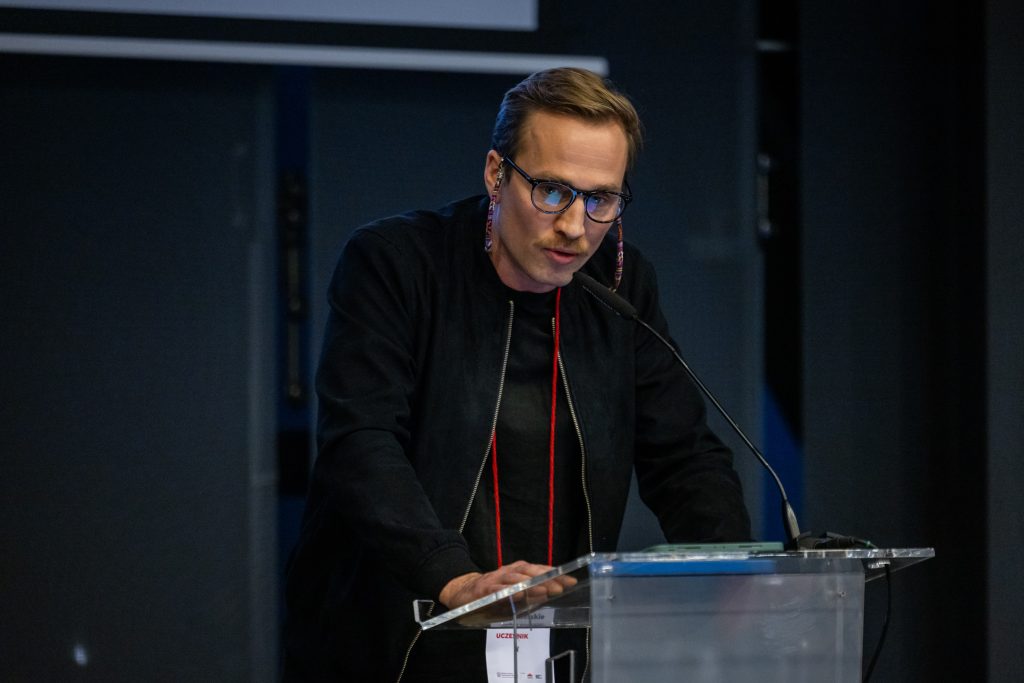
Mateusz Janicki, Grupa Granica
I stand here before you today as a witness. A witness to the systemic violence of the Polish state against refugees.
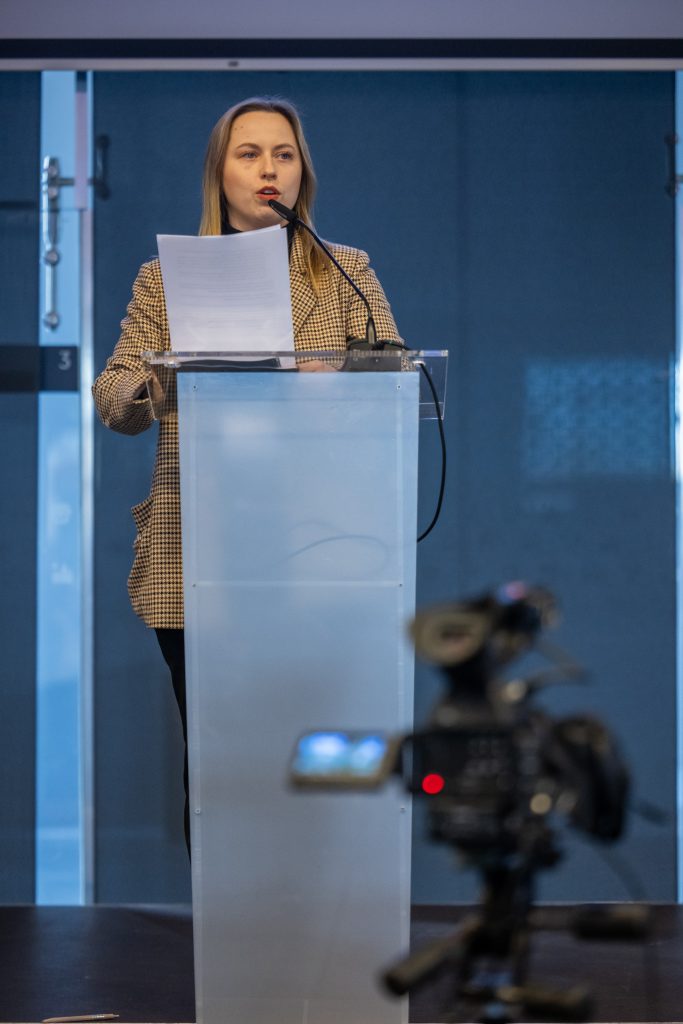
dr Magdalena Nazimek, Migration Consortium, Stowarzyszenie Nomada
The declaration of introducing a legal suspension of the right to accept applications for international protection, in violation of the EU Charter of Fundamental Rights, the Geneva Convention, and the Polish Constitution, poses a threat to the rule of law and misleads the public.
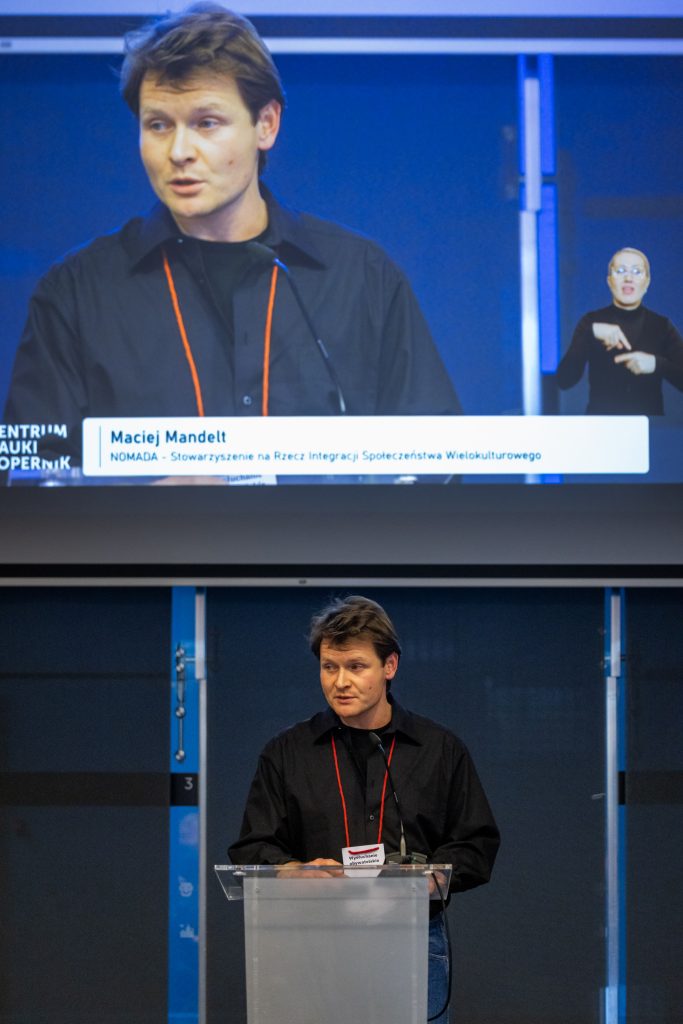
Maciej Mandelt, Stowarzyszenie Nomada
Migrants fight every day to regain control over their lives. Our duty—as a community and as a state—is to ensure their safety throughout this process.
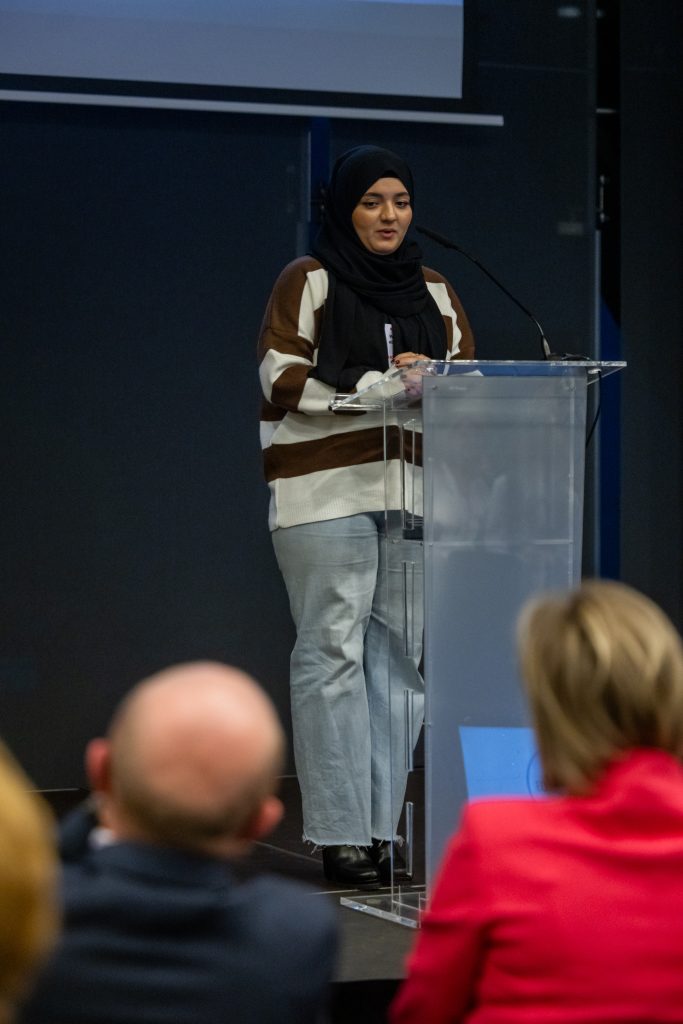
Madinai Khikmatullo
Non-governmental organizations play a key role in providing assistance to refugees, but their resources are often limited. Enhancing government cooperation with these organizations could significantly improve the quality of support.
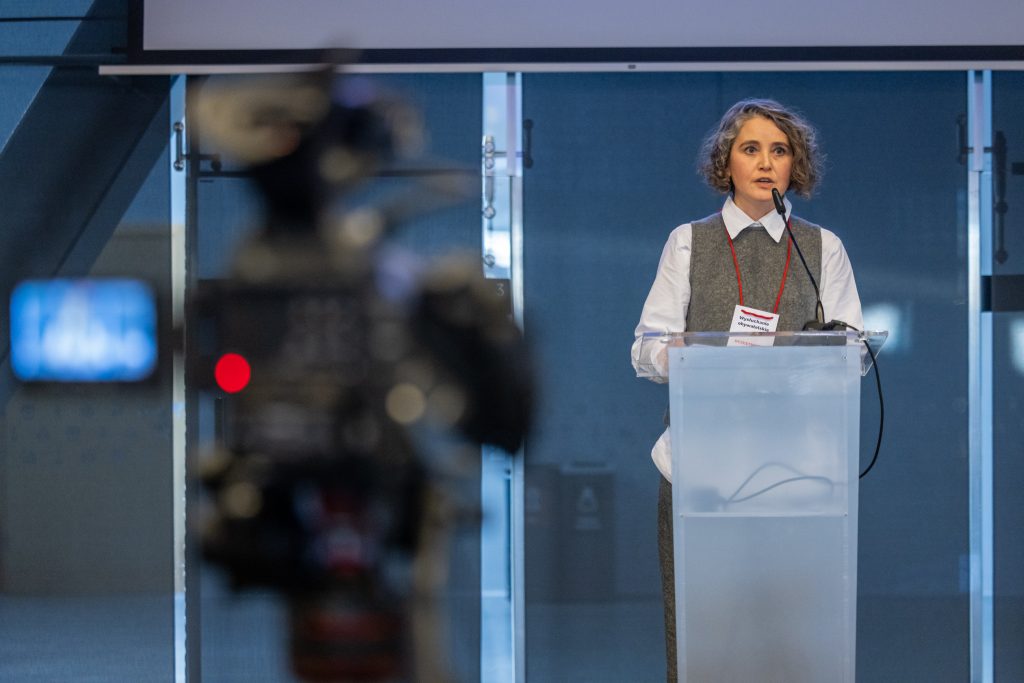
Anna Dąbrowska, Stowarzyszenie Homo Faber, Migration Consortium
Let’s be clear: control, security, and a happy society are to be ensured by a selective racial policy.
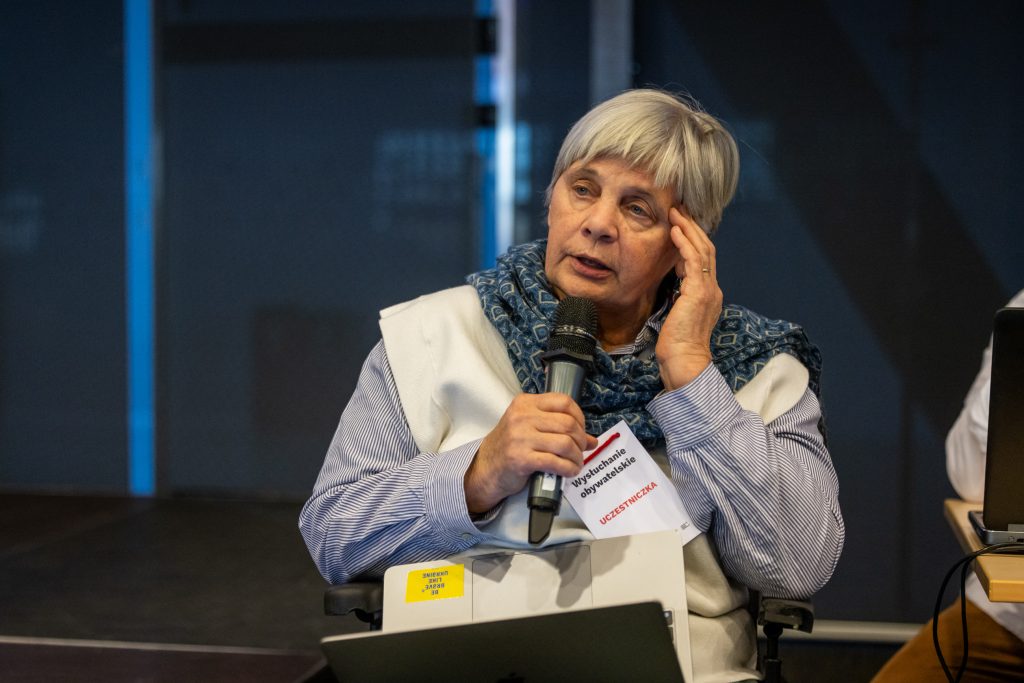
Janina Ochojska
I am ashamed because I come from a country that practices deportations, contributing to unimaginable torture, resulting in the loss of health and even life.
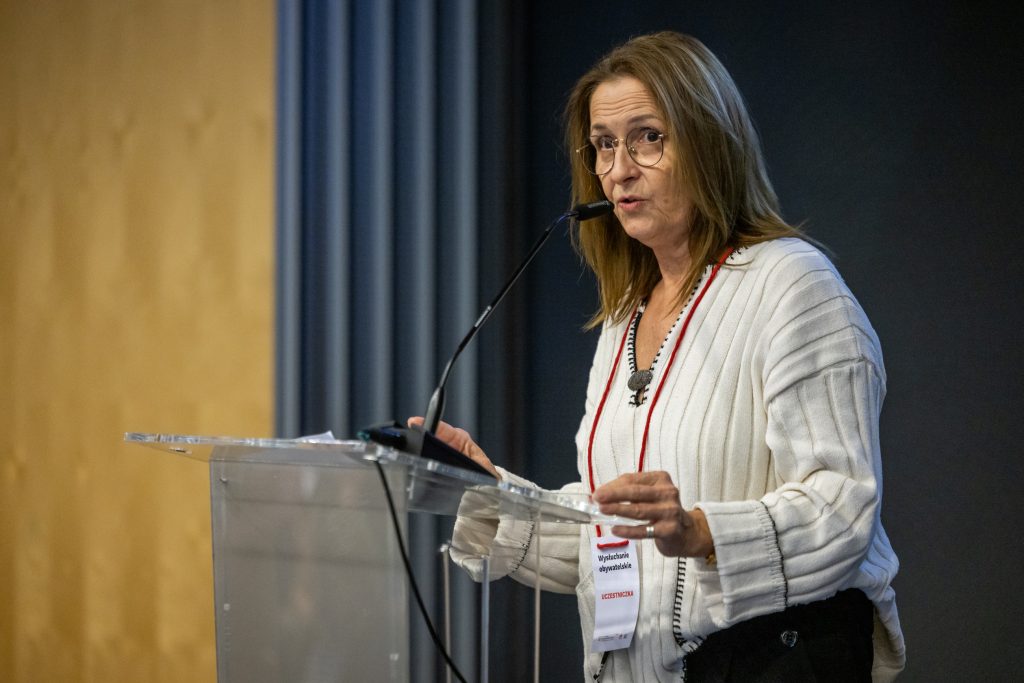
Beata Siemaszko, Committee No to Ci Pomogę
I expect that the migration strategy will propose wise, humane, and effective solutions based on dialogue with social organizations, including migrant organizations. Because, ladies and gentlemen, today’s hearing is not a consultation.
Dr. hab. Prof. Magdalena Lesińska, Committee for Migration Studies of the Polish Academy of Sciences (PAN)
Such a strong focus on security, making migration sound like a threat, is something that absolutely should not be included in this strategy. There should be a balance regarding the positive and negative challenges associated with migration processes.
Myroslava Keryk, Fundacja Ukraiński Dom
The strategy creates divisions, categorizing migrants as either acceptable or unacceptable, which reinforces existing xenophobic tendencies in Polish society.