Advocacy is one of the key areas of activity for us
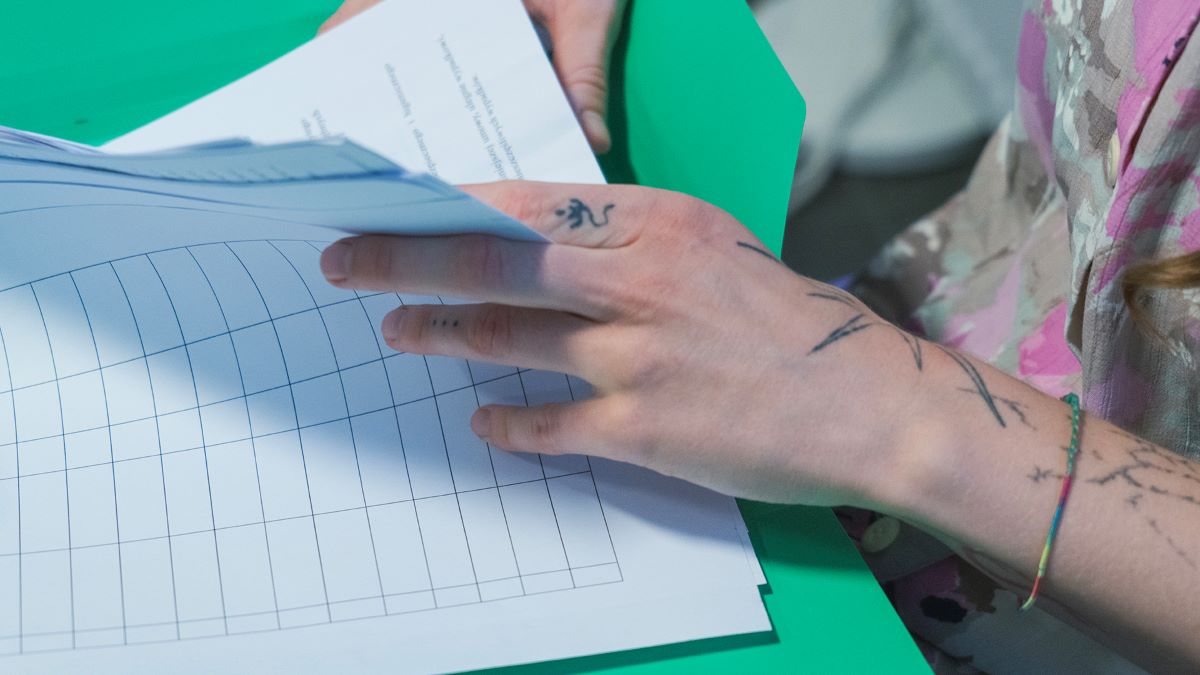
We focus on initiatives aimed at influencing decision-makers: authorities, public institutions, politicians, media, national and international donors, and businesses. Our goal is to ensure that legal regulations and their practical implementation align with human rights principles.
Creating and Consulting Legislation
We actively participate in legislative processes by consulting on regulations and strategic documents at the local and national levels. Our reports, recommendations, expert events, and published statements form the foundation of our advocacy efforts.
Interventions in Cases of Human Rights Violations
We intervene in situations where human rights are violated, providing legal support, material aid, and housing assistance.
Influencing International Institutions
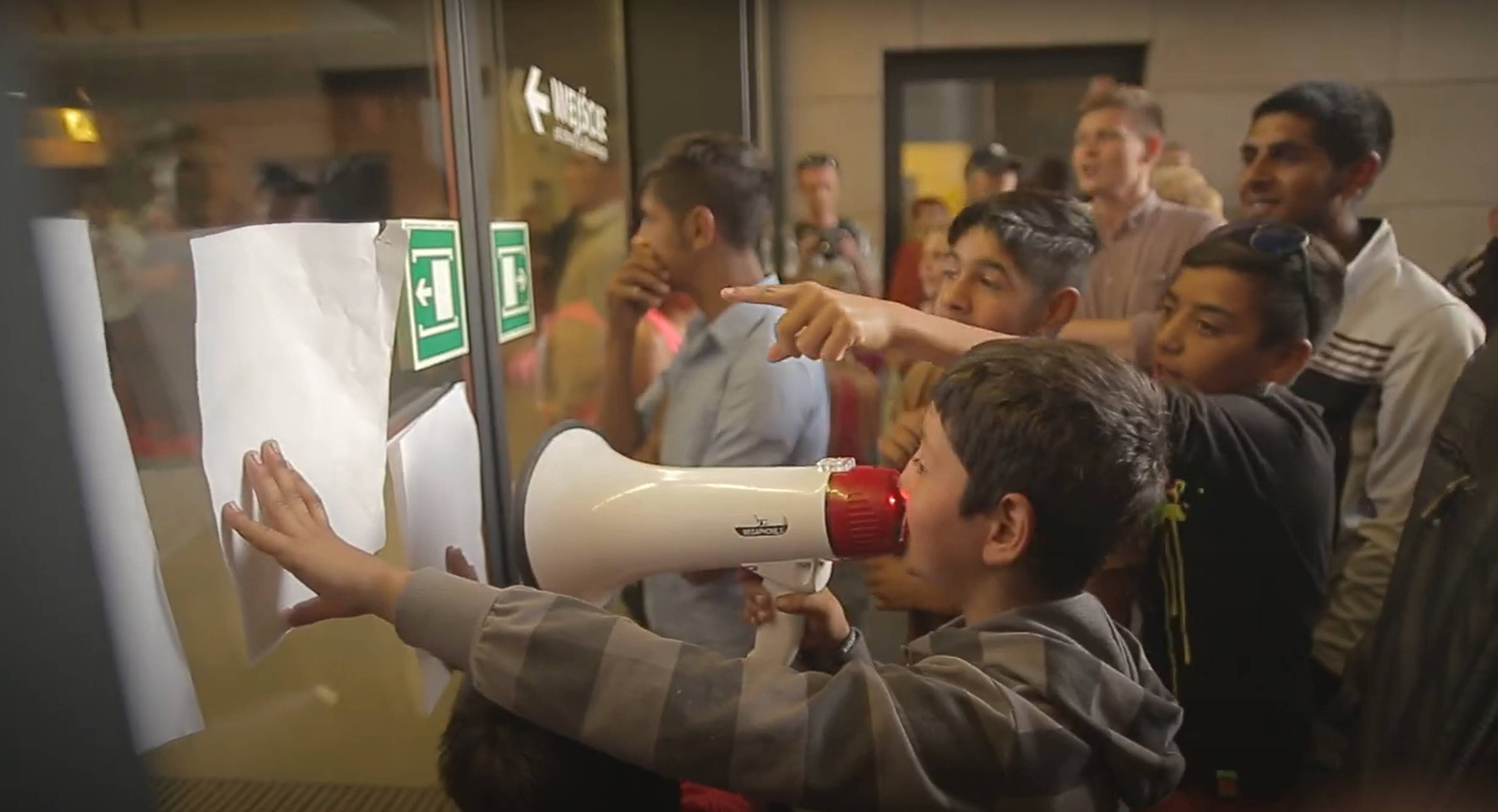
We engage with international institutions and non-governmental organizations (INGOs), submitting reports, informing about human rights violations, and proposing solutions.
Preparing Analyses
We create analyses, opinions, appeals, and reports on selected aspects of human rights and migration policy. We regularly meet and discuss with representatives of public authorities, presenting our recommendations.
Key Areas of Advocacy

Through its advocacy efforts, the NOMADA Association strives to build a society based on the principles of equality, justice, and solidarity. Working with diverse partners and institutions, we aim to create a space where human rights are respected, and migrants can receive support in adaptation and integration.
Preparing speeches and analyses
Statement of the Nomada Association regarding the events that took place during the Theatre on Facts Festival at the Jerzy Grotowski Institute
Statement of the KAKTUS Initiative and the NOMADA Association following the deadly attack by the Israeli military on humanitarian workers in Gaza
The Pact on Migration and Asylum: to provide a fresh start and avoid past mistakes, risky elements need to be addressed and positive aspects need to be expanded
Statement regarding the demolition of Romanian Roma homes by the municipal services of Wrocław
On Wednesday, July 22, a settlement inhabited for seven years by a Romanian Roma family of several people was dismantled in Wrocław. The demolition of four houses was carried out by municipal order services, following a request from the District Building Supervision Inspector, with the assistance of the Municipal Guard. This occurred while the residents were absent. All of their belongings, including documents, a power generator, medicines, and money, were lost. Several young children and their parents became homeless. They found shelter with their relatives living in a settlement on Kamieńskiego Street.
We do not understand the decision to dismantle the settlement, especially since for several months, there have been ongoing discussions between officials and organizations involved in supporting Roma migrants, including a team working with the Voivode.
The team of the Lower Silesian Voivode, as well as the intersectoral team formed in May 2015 during the IV Forum on Local Migration Policies in Wrocław, has been holding meetings. During the most recent meeting, officials expressed their willingness to meet and engage in discussions with the Roma.
In our opinion, the authorities of Wrocław lack both the will and the political courage to address the issues faced by poor migrants. All actions taken against Romanian Roma have been oppressive: for the past two years, there has been an eviction process for the Roma living on Kamieńskiego Street. The Municipal Guard relentlessly harasses the residents of the encampments, and the actions of social services have been ineffective. The situation is similar in other Polish cities—just under a year ago, Romanian Roma were evicted in Gdańsk, and in Poznań, Roma families face the threat of eviction.
Local and central authorities are debating who is responsible for migration policy in Poland. Meanwhile, it is non-governmental organizations and informal initiatives that work every day on the integration of immigrants. A month ago, children from the settlement on Kamieńskiego Street received their first school certificates. Immigrants from Romania have been living in Poland for over twenty years. Further illegal evictions are not a solution, just as settling Roma families in guarded centers is not.
The NOMADA Association opposes such actions by the authorities of Wrocław and will continue to support the Roma in their fight for their fundamental rights.
Advocacy work requires patience, expertise, and financial resources. If you believe that solidarity and human rights matter and can be effective tools for just change, and if you feel that you can and want to support NOMADA’s advocacy efforts –
Communication and Advocacy Standards of the NOMADA Association
The DNA of NOMADA was shaped even before the association was officially registered. The members of NOMADA come from nonconformist backgrounds — tenant rights advocacy, independent culture, and LGBTQIAP+ communities. Many of us have migration experience. We are united by our opposition to racism, fascism, and xenophobia. We stand up against discrimination and violence.
What sets us apart
- We support marginalized, excluded, and “invisible” individuals and communities to other organizations/institutions.
- We oppose double standards in the perception of migrants.
- We give a voice to representatives of excluded groups.
- We present the perspectives of the communities we stand in solidarity with.
- We do not pursue profit.
- We value independence.
- Our actions are characterized by uncompromising principles.
- We emphasize the importance of privileges and their contexts.
- We question traditional norms and stereotypes.
NOMADA’s methods are based on understanding, trust, and mutual respect. We do not favor anyone among those we support.
Our response to crises is solidarity and unconditional support
We do not favor clients. We oppose all forms of segregation. We strive to ensure that our personal beliefs and judgments do not interfere with providing support. We stand against double standards applied to those forced to flee.
Current issues require ongoing support and advocacy
Police brutality, gender-based violence, anti-LGBTQ+ legislation, and humanitarian crises highlight the need for constant support and advocacy.
The message of NOMADA is:
NOMADA’s message is antiracist, feminist, queer, and focused on equality.
It is based on human rights, social justice, climate justice, and interspecies solidarity.
Our communication is rooted in a clearly defined point of view, expressed honestly and with care. We consider other perspectives with understanding, do not shy away from confrontation, and strive for solutions, not just identifying problems. We verify the information we share. We communicate in different languages and formats that are easily accessible, understandable, ethical, and dignified.
Understanding our audience
Different groups may respond differently to our messages. We tailor our communication to the target audience, using different vocabulary in workshops for children, and a different approach in conversations with officials or during speeches at rallies.
We strive to understand the concerns and beliefs of our followers. This helps us effectively respond to misconceptions and resistance. We explain key concepts such as racism, white privilege, prejudice, romaphobia, islamophobia, anti-Semitism, and transphobia. We use simple, understandable language to avoid alienating those who may not be familiar with these terms.
Historical context and education
We provide historical context and educate about the history and impact of racism. We use examples and stories to illustrate the effects of racism on individuals and communities. We emphasize facts and data to counter misinformation, using statistics and research to support our arguments, which enhances credibility and helps present rational arguments.
Real situations and empathy
We present real situations that humanize issues and strengthen empathy. We encourage self-reflection by asking questions that prompt people to reflect on their own experiences and biases, leading to a deeper understanding and personal commitment to change.
Focus on solutions
We highlight positive actions and changes that can combat prejudice. We focus on what people can do, rather than just what they should avoid.
Inclusive language
Using inclusive language promotes respect, recognition, and equality for all individuals, regardless of their background or identity. It is a simple yet effective way to uphold human rights principles and support a more inclusive and just society.
Avoiding stigmatizing language
We use neutral terms when addressing groups or when we are unsure of someone’s gender. For example, “people” instead of “ladies and gentlemen.” We avoid making assumptions about a person’s identity based on their appearance or name.
Opposition to racism
We encourage speaking out against racism and support those who do so. We strive for effective allyship, not just self-promotion. For example, we do not publish photos featuring children and adults without their consent, preceded by a conversation about the significance of such a publication.
Advocacy for systemic change
We advocate for systemic change, file appeals, comment on legislative proposals, and appear in the media. We showcase NOMADA’s commitment by presenting the perspectives of our members and staff. Participants in public debates are more likely to follow good practices when they see genuine engagement.